Product Overview
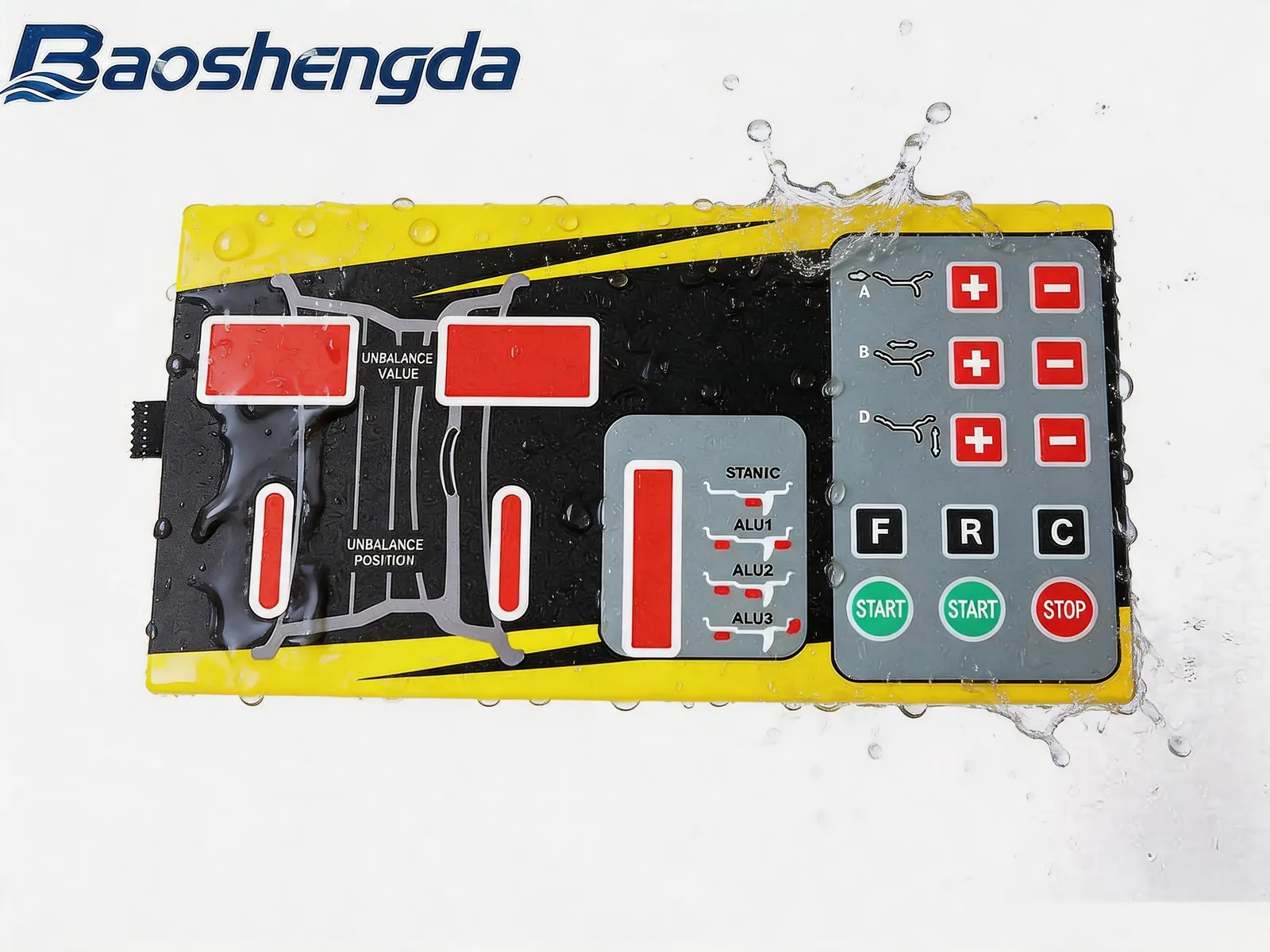
A waterproof membrane switch combines a printed overlay, switch circuit and sealing structure for a wet-service control panel. The key layout, tactile response, display windows and mounting details are specified for the equipment.
The final waterproof performance depends on the complete structure: overlay material, spacer openings, adhesive border, tail exit, housing fit, gasket design, connector area and the real exposure condition.
What Makes a Membrane Switch Waterproof?
Check where liquid could reach the circuit, spacer openings, tail exit and connector on the assembled equipment. A sealed front film alone does not establish the performance of the housing and its connections.
Before sampling, review the front adhesive landing, overlay edge, enclosure flatness, gasket compression, tail bend radius, connector pocket and cleaning or rain exposure together. Check the assembled housing for water paths at the tail exit and panel edge, even where the panel drawing appears complete.
Technical Specifications and Design Scope
| Item | Options / Description |
|---|
| Product Type | Waterproof membrane switch, wet-service HMI panel, industrial sealed keypad |
|---|
| Overlay Material | PET, PC, PMMA, or customized |
|---|
| Target IP Rating | IP65, IP67, IP68 or a buyer-defined target; confirm the enclosure, assembly method and test requirements before sample approval. |
|---|
| Key Type | Tactile, non-tactile, metal dome, embossed key |
|---|
| Surface Finish | Matte, Glossy, Textured, Anti-Glare, Anti-Fingerprint |
|---|
| Sealing / Adhesive | Rubber gasket, 3M adhesive, industrial adhesive |
|---|
| Tail / Connector | Protected tail exit, strain relief, stiffener and connector orientation reviewed with the housing |
|---|
| Backlighting | LED, LGF, EL, Dead-front options |
|---|
| Applications | Industrial, Medical, Automotive, Outdoor, Instrumentation |
|---|
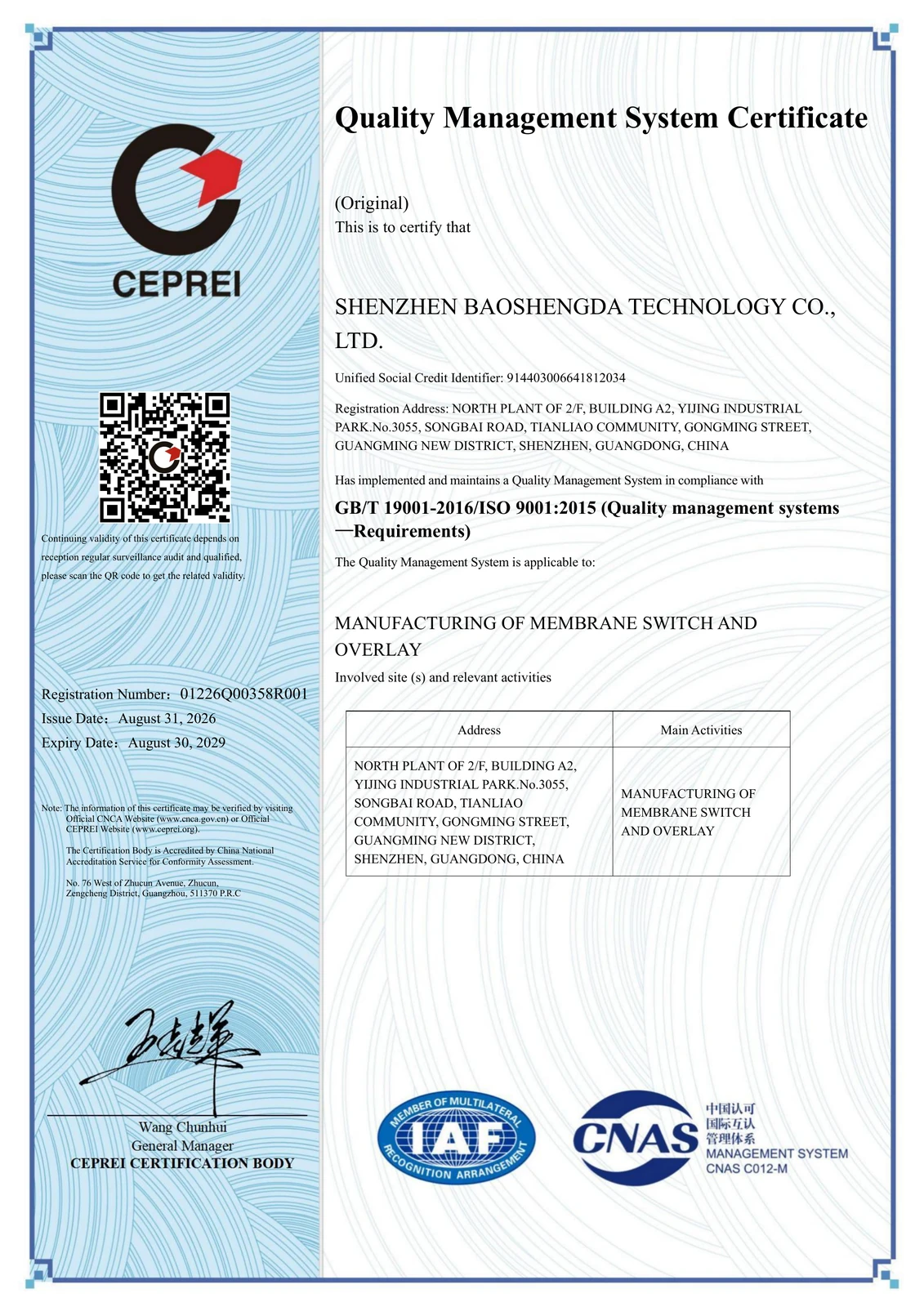
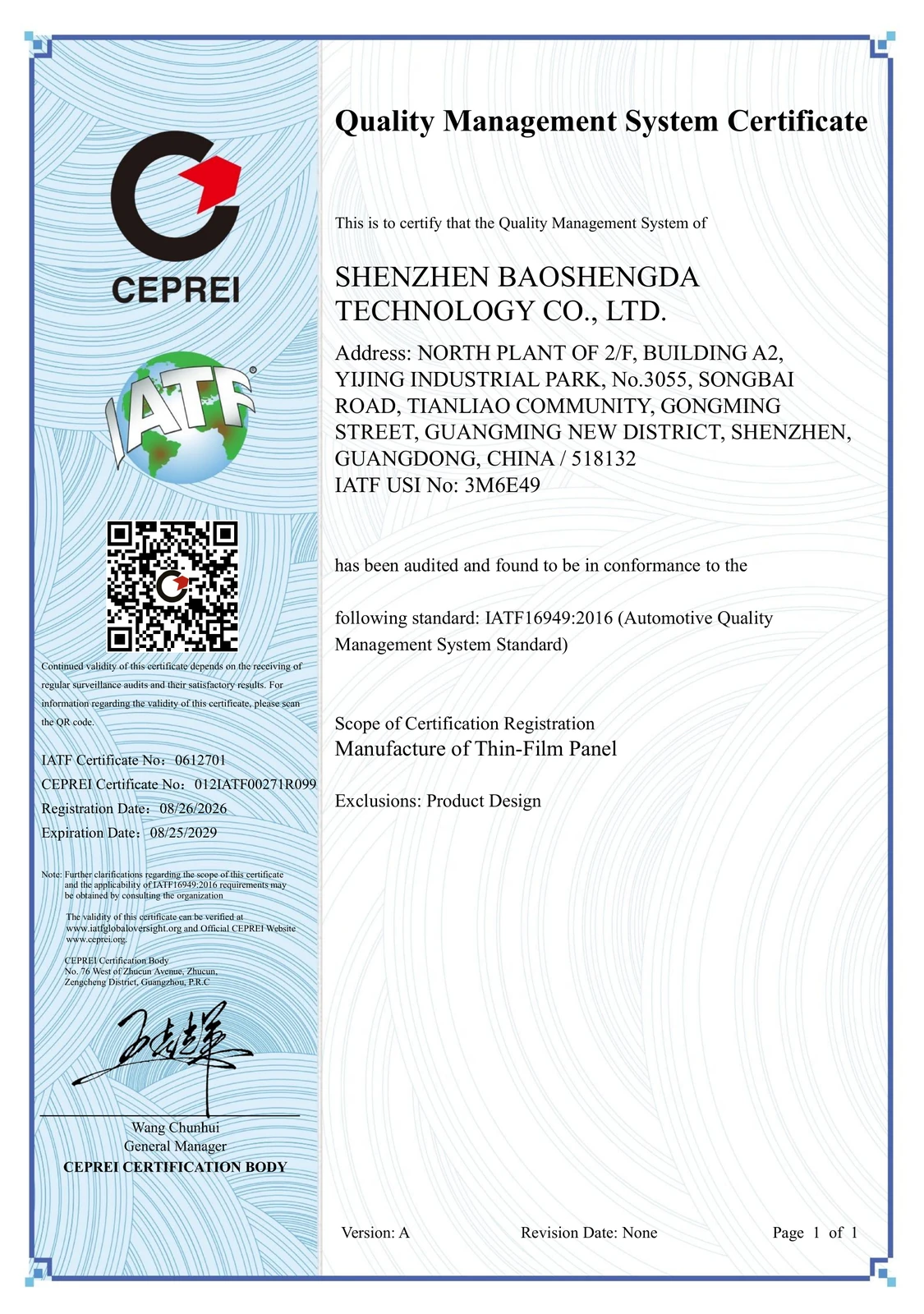
| Certification Support | ISO 9001 and IATF 16949 company certificates; see the scope in each document. Agree any required material-compliance evidence before sampling. |
|---|
Sealing Stack and Tail Exit Decisions
| Decision point | What to confirm before sample approval |
|---|
| Front adhesive landing | Keep enough sealed border around keys, windows and display cutouts so liquid cannot reach spacer openings. |
|---|
| Housing flatness | Check coating texture, ribs, screw bosses and gaps that can reduce adhesive contact or gasket compression. |
|---|
| Tail exit | Define tail direction, bend radius, reinforcement and clearance so the exit does not become the lowest water path. |
|---|
| Connector protection | Review whether the connector sits inside a dry pocket, sealed area or strain-relieved cable route. |
|---|
| Cleaning and outdoor exposure | State whether the panel sees rain, washdown, alcohol wipes, sunscreen, oil mist, UV, heat or freeze-thaw cycles. |
|---|
Review the front-seal and adhesive-landing checklist with the housing drawing, then check the tail-exit and connector sealing guide.
Customization Options
Key and Interface
- Tactile / non-tactile keys
- Metal dome or flat key structures
- Embossed or printed key areas
- Custom connector and tail design
Sealing and Assembly
- Sealing structure reviewed with the housing
- Rubber gasket and adhesive structure
- Housing fit and assembly review
- Protected tail exit design
Overlay and Appearance
- Overlay color, printing, texture
- PET, PC, PMMA or customized materials
- Matte, glossy, anti-glare and anti-fingerprint finishes
- Display windows and transparent areas
Environment
- Backlit options
- Water, dust and chemical exposure review
- UV, humidity and temperature review
- Outdoor service conditions and sample checks
Applications
Typical applications include the equipment below. Specify the actual exposure, cleaning method and installed-panel acceptance criteria for each project.
Industrial Control Panels
Machine interfaces, control boxes, PLC panels, instruments and industrial terminals.
Medical Devices and HMI
Cleanable control surfaces, sealed keypads, monitoring equipment and rehabilitation devices.
Automotive Control Modules
Printed interface panels and keypads for vehicle equipment, with sealing requirements reviewed for the installation.
Outdoor Instruments and Equipment
Monitoring devices, test equipment, outdoor controllers and equipment exposed to rain or dust.
Security and Access Control Panels
Keypads, access panels, alarm controllers and outdoor operation terminals.
Quality and Testing
Inspection and testing support can be planned according to the product environment, structure and reliability requirements.
- Dimensional inspection
- Tactile testing
- Mounted-panel sealing checks to the agreed test plan
- Backlight inspection
- Adhesion and bonding review
- High / low temperature and humidity testing
- Salt spray, UV and chemical resistance testing
- Material-compliance documentation, where required and available
Agree which checks are included, the conditions, acceptance criteria and available records before sampling. The list above is not a promise that every test is included in every order.
Approve the sample in your housing
Use the drawing and artwork revision to identify the sample being reviewed. Confirm the sealing construction and the installed condition before any exposure test.
- Check the adhesive contact area, panel edge and gasket contact on the actual housing.
- Review tail routing and connector protection with the equipment assembled.
- Agree exposure conditions and acceptance criteria for any water, cleaning or environmental checks.
- Ask which inspection or test records can be supplied for this construction and agree their scope before sampling.
Record any changes needed before approving repeat production. A company quality-system certificate does not replace approval of the mounted sample.
RFQ Checklist for Waterproof HMI Projects
Start your waterproof keypad quotation with the panel drawing or photos, housing details, water or cleaning exposure and quantities. State the target IP rating if one is specified; agree on the mounted-sample test requirements before approval.
- 2D drawing, artwork, housing drawing or sample photos
- Target IP rating or expected water / dust exposure
- Cleaning method, chemical exposure or outdoor condition
- Overlay material, surface finish and color requirements
- Key type, backlight requirement, connector and tail direction
- Housing material, surface texture, gasket location and front adhesive landing width
- Planned sample checks such as water spray, wipe-down, mounted leakage review or outdoor pilot use
- Quantity, sample schedule and target mass production timing
Send Waterproof Keypad Details
Waterproof keypad engineering review PDF
Keep the sealing-target questions, water-path checks and quotation checklist together for your engineering review. This note is not a fixed product specification or an IP test report.
Download Engineering Review PDFRevision 2026-10-15. Uses the same project-specific limits as this page.
FAQ
What should buyers check before sampling a waterproof membrane switch?
Check the front adhesive landing, overlay edge, spacer openings, tail exit, connector protection, housing flatness, gasket contact and the real water, cleaning or outdoor exposure condition.
Can Baoshengda review IP65, IP67 or IP68 sealing requirements?
Yes. IP65, IP67, IP68 or custom sealing targets can be reviewed when the enclosure structure, expected exposure, assembly method and test requirement are clear.
Which materials are used for waterproof membrane switches?
PET, PC, PMMA or customized overlays are available depending on durability, surface finish, transparency, cleaning exposure and outdoor conditions.
Why does the tail exit matter on a waterproof HMI panel?
The tail exit can become a water path or strain point if it is not protected by housing geometry, adhesive clearance, gasket layout, bend radius and connector sealing.
What RFQ information is needed for waterproof membrane switch quotation?
Send drawings, housing photos, target IP or wet-service condition, cleaning method, overlay finish, tail direction, connector requirement, backlight need, sample test plan and estimated quantity.
Related Waterproof HMI Resources
Use these buyer guides to narrow the sample question before sending drawings or photos.
Related HMI components
Review the keypad together with the overlay, circuit, lighting and housing. These pages cover the wider HMI assembly and related membrane-switch options.
Need a custom waterproof membrane switch for your equipment?
Send the panel drawing or sample photos, housing details and expected exposure. We can review the construction and quotation requirements with you.