Medical Device HMI Solutions

Custom front-panel components and assemblies for diagnostic equipment, patient monitors and hospital instruments. Membrane switches, graphic overlays, FSR pressure sensors and backlit keys are specified for your device.

Sealing and cleaning requirements are reviewed against the device housing and specified use conditions.

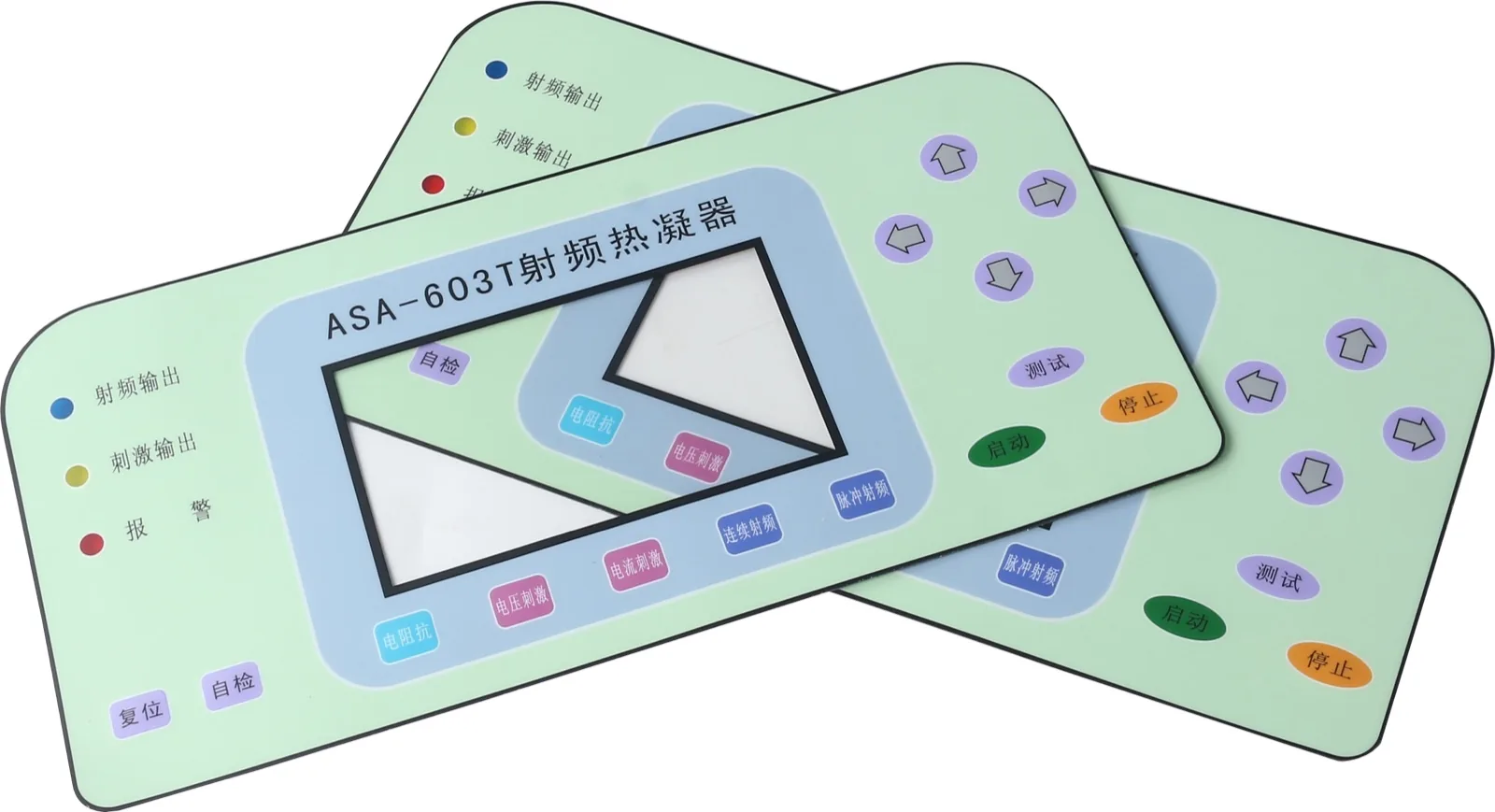
Printed control-panel overlays with labeled keys and display openings
Printed front-panel examples. Artwork, key layout and display openings are customized for the equipment.
Cleaning inputs
Method, agent, contact time and frequency
Assembly fit
Housing, adhesive, tail exit and connector

Panel components for medical equipment

Explore the individual layers that can go into a custom control-panel assembly.

What Is Medical HMI?

Medical HMI (Human Machine Interface) refers to the control interface used in medical and healthcare devices.

The front panel carries the operator's labels, input zones, display windows and connection to the equipment electronics. The OEM defines how it is used, cleaned and validated on the complete device.

For a quotation, identify the key functions, housing opening, connector and cleaning method. These details determine the overlay, circuit, adhesive and sealing review.

Front-Panel Construction

A front-panel assembly can combine a printed surface, keys, force sensing, lighting, adhesive and sealing details. The layer stack is reviewed against the housing, operator workflow and cleaning method.

Graphic OverlayEasy-clean front surface for icons, display windows, instructions, status labels and brand graphics.
Membrane SwitchThin control input layer for diagnostic operation, function selection, alarms, start, stop and confirmation keys.
FSR Pressure SensorForce detection layer for rehabilitation devices, pressure input, threshold sensing and force-sensitive keys.
Backlit KeypadLow-light operation support for hospital equipment, diagnostic rooms, night shifts and status indication.
Sealing and Tail ExitEdge sealing, tail exit and adhesive review for the specified cleaning and splash exposure.
Adhesive and Housing FitBonding structure selected around housing material, cleaning method, surface energy and assembly tolerance.

Key Requirements in Medical Systems

Medical HMI designs should prioritize cleaning, operator clarity and stable function. The correct material choice depends on how the device is cleaned, what chemicals contact the surface and how often the keys are used.

Cleaning Requirements

  • Cleaning or disinfection method defined by the OEM
  • Material compatibility checked against specified chemicals
  • Smooth overlay options for wipe-down use

Input and Circuit Review

  • Key feel and electrical function checked against the agreed drawing
  • Sample review for repeated key use
  • Circuit interface checked against the OEM specification

Clear Visual Interface

  • Clear icons and function labels
  • Display window and indicator support
  • Backlight options for low-light medical operation

Equipment Fit

  • Sample evaluation for the specified use environment
  • Sealing target agreed for the final enclosure
  • Housing, adhesive and tail routing review

Applications

Medical device HMI panels are used where healthcare equipment needs a dependable, cleanable and easy-to-read control surface.

Patient Monitoring Systems

Control panels for display functions, alarms, confirmation keys and operator input.

Diagnostic Equipment

Interface panels for imaging, test, analysis and inspection instruments.

Infusion Pump Interfaces

Sealed key areas, labels, display windows and reliable repeated button operation.

Surgical Assistance Devices

Cleanable front panels for controlled medical equipment and support systems.

Rehabilitation Equipment

HMI panels and FSR sensing integration for therapy, monitoring and motion feedback devices.

Hospital Control Systems

Durable control interfaces for medical carts, bedside systems, room equipment and service devices.
Engineering Capabilities

  • Custom front-panel layout review
  • Sealing and tail-exit design review
  • Overlay surface and print review
  • Membrane switch and overlay assembly
  • FSR layer integration for specified input functions
  • Backlight visualization for medical UI
  • Graphic overlay and display window integration
  • Connector-ready tail and circuit review

Customization Options

Surface and Material

  • PET or PC overlay specified for the project
  • Anti-glare and anti-fingerprint surface options
  • Surface finish reviewed against the specified cleaning method

Lighting and Display

  • Backlight LED or LGF design
  • Display window and indicator integration
  • Clear printed icons and medical function labels

Sealing and Sensing

  • Sealing detail reviewed against the OEM's ingress target
  • FSR integration for pressure or force input
  • Protected tail exit and adhesive stack review

Panel Assembly

  • Membrane switch and overlay assembly
  • FPC, PCB or connector-ready electrical interface
  • Housing fit and sample review before production

Quality and Compliance

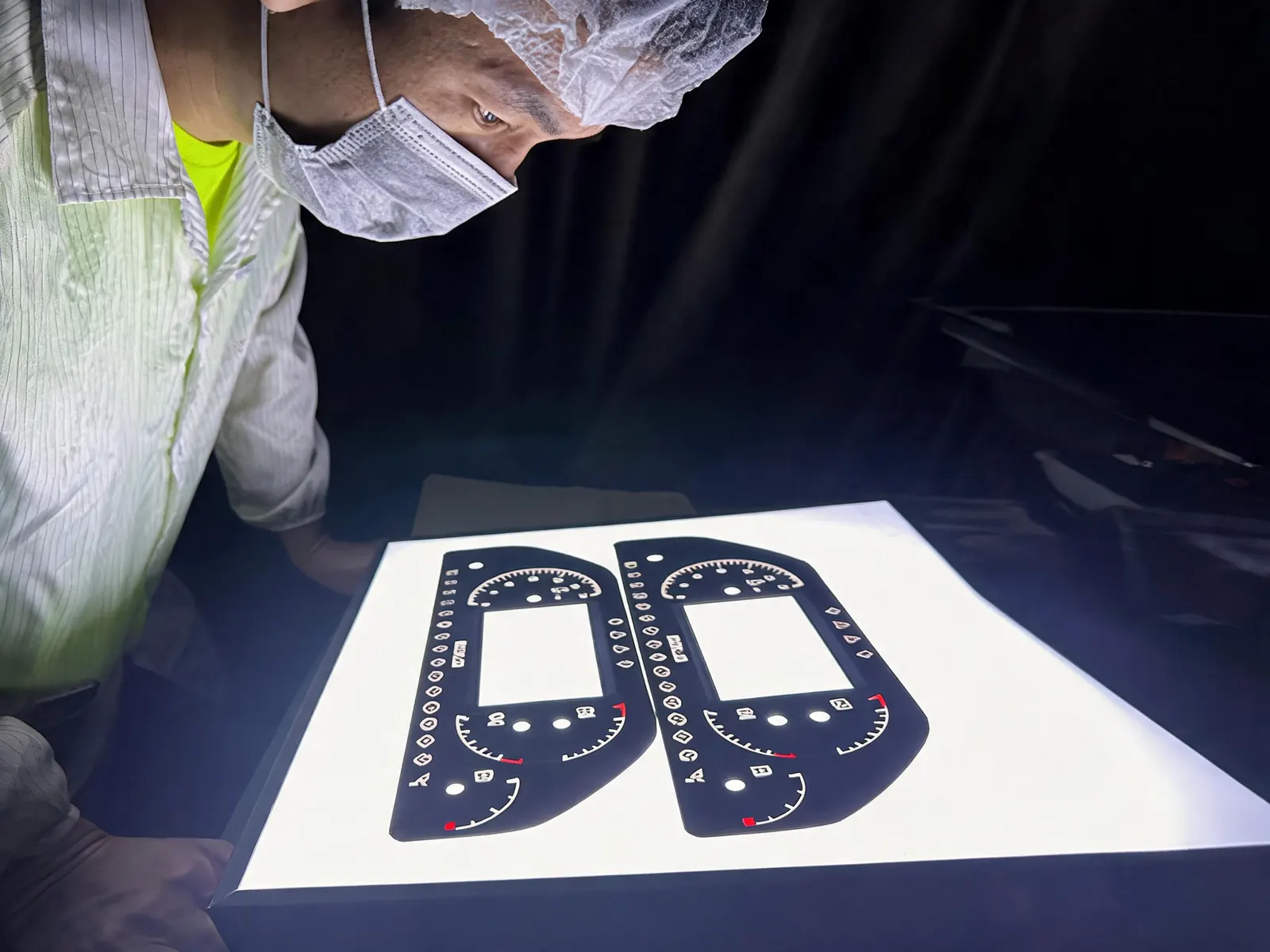
Worker checking printed instrument-panel overlays on a light table

Inspection criteria should follow the specified cleaning method, use frequency, housing fit and electrical interface. Baoshengda reviews manufacturing and inspection requirements against the customer's drawing; complete-device validation stays with the equipment maker.

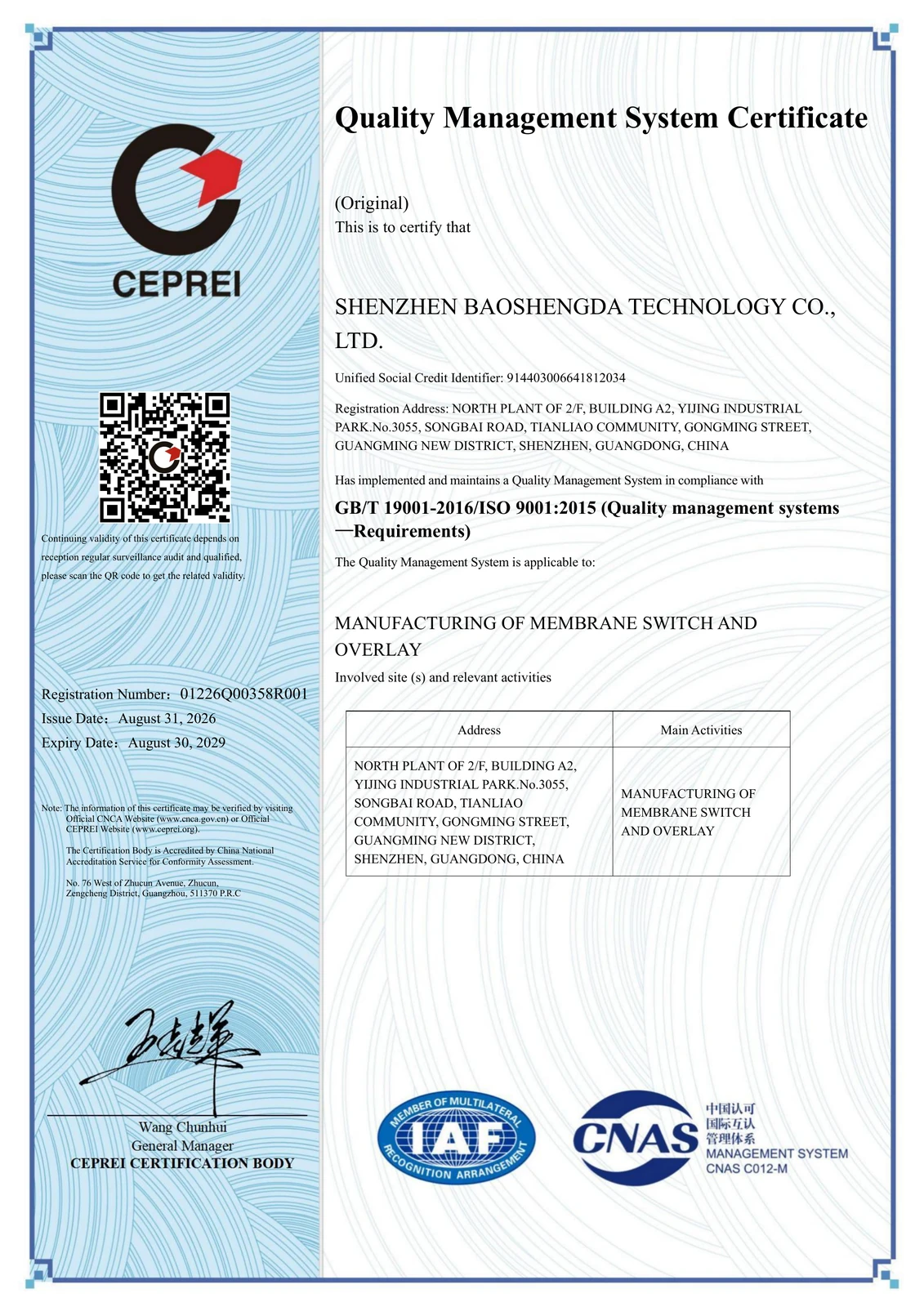
  • ISO 9001 scope: manufacturing of membrane switches and overlays
  • IATF 16949 automotive scope: thin-film panel manufacturing; product design excluded
  • Material compliance documents reviewed for the selected construction
  • Cleaning-agent exposure checks defined per project
  • Temperature and humidity checks agreed for the application
  • Adhesion and key-cycle criteria agreed before sampling
  • Electrical continuity and key functions checked to the approved drawing
  • Visual inspection and outgoing quality control

These management-system certificates do not certify a finished medical device. The equipment maker defines device-specific testing and approval.

Open the documents to review their scopes and validity dates.

Manufacturing and project scope
  • Custom front-panel components and assemblies
  • Membrane switch, FSR and overlay integration
  • Diagnostic-equipment front-panel layouts
  • Control-panel parts for hospital equipment
  • Overlay, adhesive and sealing options for specified cleaning conditions
  • ISO 9001 quality system for membrane switch and overlay manufacturing

Design Information Needed for Quotation

For a medical device HMI project, please share the device environment and use conditions together with the artwork or drawing.

  • 2D drawing, front panel artwork and equipment photos
  • Device type, operator workflow and key function list
  • Cleaning or disinfection method, agent, concentration, contact time and frequency
  • Any sterilization method and validation criteria required by the device OEM
  • Waterproof, backlight, FSR sensing or tactile key requirements
  • Tail exit, connector, FPC/PCB and controller interface details
  • Prototype quantity, annual quantity and target lead time

Request a Front-Panel Review

Share the device drawing, cleaning method, key functions, housing interface and target quantity. We can review the panel construction and sampling questions with you.

Send Your Requirements

Related Medical HMI Buyer Guides

Before freezing the control layout, map each visible key to the patient, caregiver, operator or service role that may use it. Then freeze the overlay material, display window, adhesive and cleaning inputs that the mounted sample will actually use.

FAQ

What is medical HMI used for?

Medical HMI is used in diagnostic and healthcare equipment control systems, including patient monitoring, device operation and hospital instrument interfaces.

What cleaning or disinfection details should I provide?

Share the specified method, chemicals, concentration, contact time and frequency. Overlay, print, adhesive and seal choices can then be reviewed against those inputs. If sterilization is required, include the method and validation criteria; compatibility is not assumed.

Can a panel combine keys and force sensing?

A membrane-switch key layer and an FSR sensing layer can be reviewed together for a custom front-panel assembly.

Is waterproof design available?

Sealing can be reviewed around the overlay, adhesive, tail exit and final housing. State the required ingress test; an IP rating must be verified on the assembled device.

Do you support OEM medical devices?

Baoshengda supports OEM front-panel engineering review, prototyping and production to customer drawings and specifications. Complete-device function and validation are defined with the equipment manufacturer.

Components to specify

The project drawing determines which components are needed:

  • Front-panel assemblies
  • Membrane-switch key layers
  • FSR sensing layers
  • Flexible heating films, where specified
  • Printed graphic overlays

Need a custom medical HMI solution for your device?

Send a drawing or sample part for review of the front-panel layout, component selection, prototype and production requirements.